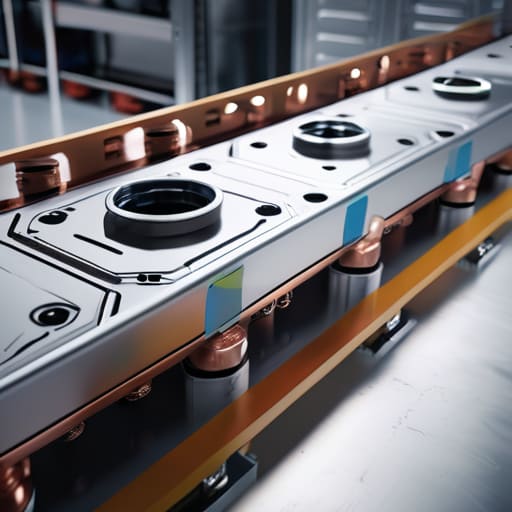
I remember sitting in a university lab at Georgia Tech, staring at a cell that had just undergone a catastrophic thermal runaway, and it hit me: we are obsessed with the wrong metrics. Everyone loves to talk about how sleek the new transit fleets look, but nobody wants to talk about the brutal reality of how electric bus battery technology actually holds up under a 14-hour shift in a freezing city winter. Most of the corporate press releases I see are just glossy marketing fluff designed to hide the fact that we haven’t truly solved the degradation problem for heavy-duty, high-cycle applications.
I’m not here to sell you on the utopian dream of a zero-emission utopia without any growing pains. Instead, I’m going to strip away the greenwashing and look at the actual hardware—the chemistry, the thermal management, and the infrastructure—that determines whether these buses are a revolution or just an expensive mistake. We’re going to dive into the real science of energy density and lifecycle costs so you can understand what’s actually powering our streets.
Table of Contents
Why Lithium Ion Battery Energy Density Isnt Enough
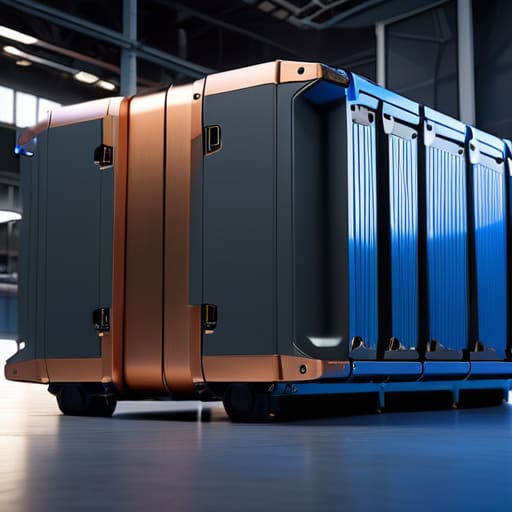
Here’s the reality: we can’t just take the same cells from a Tesla Model 3 and expect them to run a city transit line. While lithium-ion battery energy density has skyrocketed over the last decade, that’s a metric designed for consumer convenience, not industrial endurance. When you’re talking about a 40-foot bus carrying sixty passengers through stop-and-go city traffic, you aren’t just fighting distance; you’re fighting physics. The sheer mass of the vehicle means the energy demand isn’t a steady stream—it’s a series of violent, high-drain spikes that would shred a standard passenger cell in months.
If we don’t solve for the mechanical and thermal stress inherent in these massive loads, we’re just building expensive paperweights. We see massive degradation in heavy duty electric vehicles because these batteries are being pushed far beyond their intended duty cycles. It’s not just about how much juice you can cram into the pack; it’s about how that chemistry holds up when it’s being hammered by constant discharge cycles and extreme temperature swings. If the hardware can’t survive the grind, the “green revolution” is just a temporary fix.
Fighting Degradation in Heavy Duty Electric Vehicles
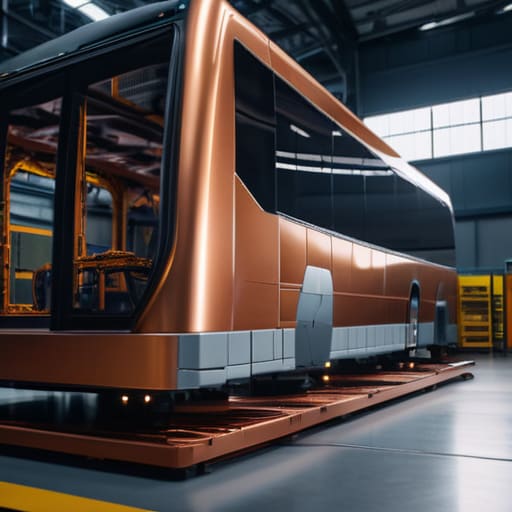
When you’re talking about a passenger car, a little bit of capacity loss over five years is annoying but manageable. When you’re talking about a 40-foot transit bus running twelve-hour shifts in a city like Atlanta or Chicago, degradation in heavy duty electric vehicles is a massive, systemic threat. These batteries aren’t just being used; they’re being abused. Constant deep discharge cycles and the sheer weight of the chassis put immense mechanical and chemical stress on the cells. If we don’t solve the stability issue, these fleets become nothing more than expensive paperweights halfway through their intended lifespan.
The real hero here isn’t just the chemistry, but the hardware keeping it in check. We have to get serious about advanced battery thermal management systems. If the cells get too hot during a rapid charge or too cold during a winter route, the internal structure starts to crumble at a microscopic level. I’m constantly looking at the data, and it’s clear: we can’t just throw more capacity at the problem. We need intelligent cooling and heating loops that can react in real-time to the specific duty cycle of the bus to prevent that irreversible capacity fade.
The Real-World Checklist: How We Actually Scale Electric Transit
- Stop obsessing over just Wh/kg and start looking at cycle life. A bus that can go 300 miles once is useless if the battery chemistry hits a wall after only 1,000 charge cycles. We need longevity, not just range.
- Prioritize thermal management systems that actually work under load. It’s easy to keep a battery cool in a lab, but managing the heat soak during a midday route in a city with zero shade is a completely different beast.
- Demand modularity in pack design. If a single cell goes rogue or a module fails, we shouldn’t have to scrap an entire multi-million dollar battery pack. We need hardware that’s serviceable, not disposable.
- Integrate smart BMS (Battery Management Systems) that talk to the grid. The bus shouldn’t just be a consumer; it should be a data point that helps the infrastructure manage peak loads without blowing a transformer.
- Look past the “green” marketing and vet the supply chain. If the cobalt or lithium isn’t being sourced through a transparent, low-impact lifecycle, we’re just trading one environmental crisis for another.
The Bottom Line on Heavy-Duty Electrification
High energy density is a vanity metric if the chemistry can’t survive the brutal duty cycles of a city transit route.
We have to move past the “one-size-fits-all” lithium-ion mindset and start engineering specific thermal management systems that treat batteries like the critical infrastructure they are.
Real progress isn’t measured by how many EVs we announce, but by how many years of usable life we can actually squeeze out of the cells before they become electronic waste.
## The Infrastructure Reality Check
“We can keep obsessing over how many miles a single charge gets us, but if the battery chemistry can’t survive a decade of stop-and-go urban heat and rapid-charging cycles, we haven’t built a transit solution—we’ve just built a massive, expensive liability.”
Desmond Achebe
The Road Ahead
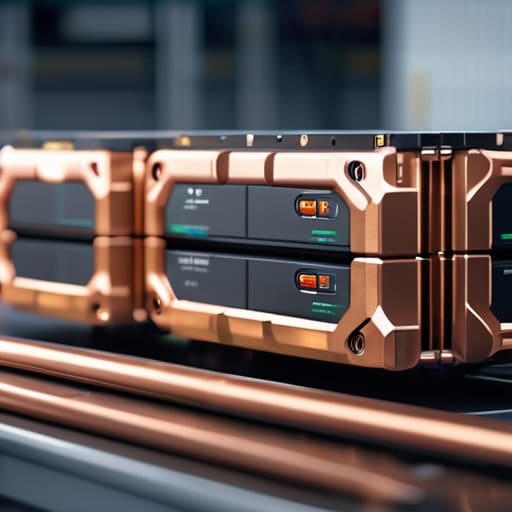
At the end of the day, moving electric buses from a niche pilot program to a global standard isn’t just about swapping a diesel engine for a motor. We’ve seen that simply chasing higher energy density is a losing game if we ignore the brutal reality of thermal management and cycle life. If the chemistry can’t survive the constant stop-and-go grind of an urban transit route without degrading into a glorified paperweight, then we haven’t actually solved the problem. We have to prioritize robust, sustainable chemistry and smart infrastructure over the flashy, unproven specs that look good on a corporate slide deck but fail in the real world.
I’m genuinely optimistic about where we’re heading, but I’m staying skeptical of anyone telling you the transition will be easy or cheap overnight. The hardware is getting better, and the shift toward solid-state and more stable cathode materials is the most exciting thing happening in my field right now. We aren’t just building better batteries; we are building the backbone of a decarbonized society. If we get the engineering right—and I mean the actual, gritty, molecular-level engineering—we won’t just be changing how people commute; we’ll be changing how the world breathes.
Frequently Asked Questions
If we move away from standard lithium-ion to solve the density problem, how much more expensive is the initial infrastructure going to be for city transit authorities?
Look, if we pivot to solid-state or sodium-ion to fix the density gap, the upfront sticker shock is going to be brutal. We’re talking about more than just more expensive cells; we’re talking about a complete overhaul of charging infrastructure and thermal management systems. City transit authorities are already stretched thin. They can’t just swap batteries; they have to rebuild the grid interface. It’s a massive capital expenditure, but if we don’t pay it now, we’ll pay more in dead buses later.
Are we actually looking at solid-state tech for these heavy-duty fleets anytime soon, or is that still just a lab-scale dream?
Look, if you’re waiting for a solid-state bus to pull up to your stop next year, you’re going to be waiting a long time. Right now, it’s still mostly a lab-scale dream. We’re seeing some pilot programs with semi-solid electrolytes, but scaling that to a heavy-duty chassis without the costs spiraling is a massive engineering hurdle. It’s the holy grail, sure, but for now, we have to make current liquid chemistry work harder.
How do we handle the recycling and second-life logistics once these massive bus packs finally hit their cycle limit?
This is where the “green” part of the transition actually gets tested. Once a bus pack drops below 70-80% capacity, it’s a paperweight for transit, but it’s gold for stationary storage. We need to build a pipeline where these modules are repurposed for grid stabilization or solar buffering before they ever hit a shredder. If we don’t standardize the pack architecture now, the logistics of sorting and salvaging these massive units will become a nightmare.
