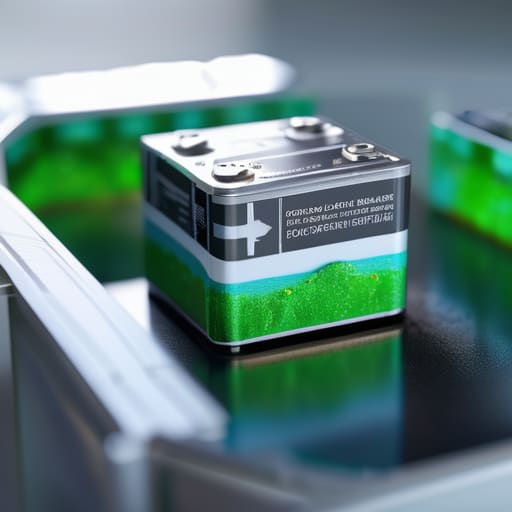
I remember sitting in a cramped lab at Georgia Tech, surrounded by the sharp, metallic tang of electrolyte leakage, staring at a cell that had died six months too early. Everyone in the room was talking about “green revolutions” and “zero-emission futures,” but none of them could actually explain why our lithium-ion chemistry was hitting a wall. It’s easy for a CEO to slap a leaf icon on a brochure, but when you actually perform a battery life cycle assessment, the math usually tells a much messier story. We’ve been sold this idea that electric mobility is a magic wand, but if we aren’t accounting for the carbon cost of mining and the nightmare of end-of-life disposal, we’re just moving the pollution around instead of solving it.
I’m not here to give you a polished corporate pitch or a textbook definition that ignores reality. My goal is to strip away the greenwashing and look at the actual hardware. I’m going to walk you through what a real battery life cycle assessment looks like—from the raw ore extraction to the second-life stationary storage applications—without the fluff. We’re going to look at the hard data so you can understand if this tech is actually built to last, or if we’re just building a high-tech graveyard.
Table of Contents
- Raw Material Extraction Environmental Costs vs Real Progress
- Decoding the Lithium Ion Battery Manufacturing Impact
- How to Cut Through the Greenwashing: 5 Ways to Actually Audit a Battery’s Life
- The Bottom Line: What Actually Matters for the Future of Storage
- ## Moving Past the Greenwashing
- The Bottom Line on the Battery Lifecycle
- Frequently Asked Questions
Raw Material Extraction Environmental Costs vs Real Progress
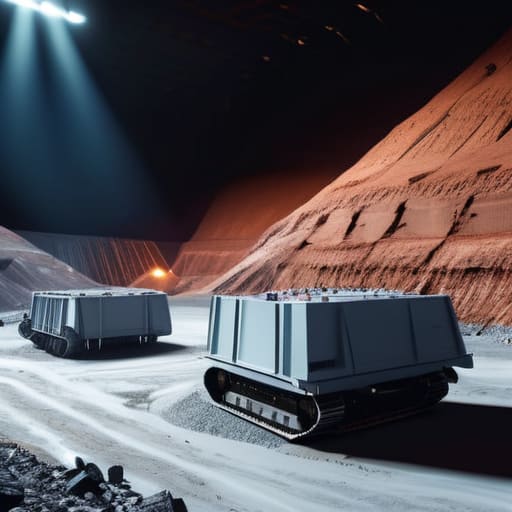
Let’s be real: we can’t talk about a green revolution without addressing the messiest part of the equation. When people look at an EV, they see a clean machine, but if you perform a true cradle-to-grave battery analysis, the beginning of that journey is anything but pretty. Mining for lithium, cobalt, and nickel is a heavy-duty operation that eats up massive amounts of water and disrupts local ecosystems. I’ve spent enough time looking at data to know that the raw material extraction environmental costs are the elephant in the room that most corporate PR teams try to sweep under the rug.
However, it’s not all doom and gloom; it’s about the trajectory of the tech. We’re seeing a massive shift in how we approach supply chains. It’s not just about finding more minerals; it’s about the efficiency of the extraction itself and moving toward more localized, closed-loop systems. If we don’t solve the extraction problem now, we’re just trading one type of environmental debt for another. We need to move past the “extract and discard” mindset and start treating these minerals like the finite, high-value assets they actually are.
Decoding the Lithium Ion Battery Manufacturing Impact
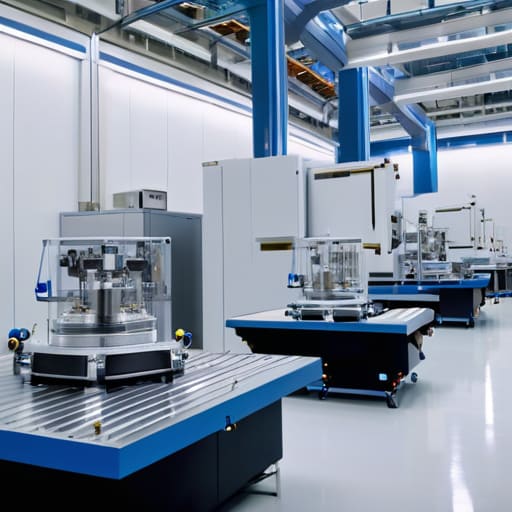
Once we move past the mines, we hit the factory floor, and this is where the math gets heavy. The lithium-ion battery manufacturing impact isn’t just about the materials themselves; it’s about the massive amount of energy required to turn those raw powders into high-precision cells. We’re talking about dry rooms that have to be kept at incredibly low humidity levels and massive electrode coating lines that run 24/7. If the factory is pulling power from a coal-heavy grid, the carbon debt of that battery is already massive before it even touches a vehicle chassis.
It’s easy to get lost in the high-tech sheen of a Gigafactory, but a real cradle-to-grave battery analysis forces you to account for every kilowatt-hour spent during production. I spent way too many nights in the Georgia Tech labs looking at how sensitive these processes are to temperature fluctuations and energy spikes. We can’t just celebrate the “zero emissions” tailpipe and ignore the industrial energy intensity required to build the hardware. If we want true sustainability, the manufacturing phase can’t just be a black box of high-energy processes we refuse to scrutinize.
How to Cut Through the Greenwashing: 5 Ways to Actually Audit a Battery’s Life
- Look past the “zero emissions” sticker and demand a full cradle-to-grave analysis. If a company won’t show you the data on how they’re sourcing cobalt or nickel, they’re probably hiding a massive environmental debt in their supply chain.
- Stop obsessing over just the tailpipe and start tracking the energy intensity of the factory. A battery built on a grid powered by coal is essentially just a heavy, expensive way to delay the inevitable carbon footprint.
- Treat battery degradation like a math problem, not a mystery. To get a real sense of sustainability, you have to look at the cycle life—how many times can that cell actually charge and discharge before the chemistry starts to fail?
- Watch the second-life potential. A battery isn’t “dead” just because it’s too inefficient for a high-performance EV; if we can repurpose those cells for stationary grid storage, we’re effectively doubling the value of the initial carbon investment.
- Demand transparency on end-of-life recycling protocols. We can’t just build a massive fleet of EVs and then let millions of tons of lithium and copper sit in landfills; the circular economy only works if the recycling tech is as advanced as the cells themselves.
The Bottom Line: What Actually Matters for the Future of Storage
We can’t let the “green” label act as a shield for messy supply chains; true sustainability requires a brutal, data-driven look at how we pull minerals out of the ground before we can claim victory.
Manufacturing is the massive carbon debt we’re all currently carrying, and until we decarbonize the actual factories and the grid powering them, an EV is just a delayed carbon payoff.
The real win isn’t just making better batteries, it’s building a circular system where “end-of-life” is actually just the beginning of the next cycle through aggressive recycling and second-life applications.
## Moving Past the Greenwashing
“We can’t just slap a ‘zero emissions’ sticker on an EV and call the job done. If we aren’t accounting for every gram of cobalt mined and every kilowatt used in the factory, we’re just moving the pollution from the tailpipe to the supply chain.”
Desmond Achebe
The Bottom Line on the Battery Lifecycle

Look, we’ve gone through the weeds here. We’ve seen that the environmental debt incurred during raw material extraction and the heavy energy footprint of manufacturing aren’t just “growing pains”—they are massive hurdles we have to clear. If we keep ignoring the carbon intensity of the production phase or the messy reality of mineral sourcing, we’re just trading one ecological crisis for another. A true life cycle assessment shows us that a battery isn’t “green” just because it’s attached to an EV; it’s only as clean as the entire supply chain and the circularity of its end-of-life plan.
That said, I’m not writing this to be a doomer. I’m an engineer; I believe in solving hard problems with better hardware. The math tells us that as we scale solid-state tech and refine closed-loop recycling, the net benefit of this transition becomes undeniable. We are currently in the “messy middle” of a massive energy pivot, but if we demand transparency over marketing fluff, we can actually build a grid that lasts. The tech is coming, the chemistry is evolving, and it’s our job to make sure it’s built to stay.
Frequently Asked Questions
If we're already seeing massive improvements in manufacturing, at what point does the carbon debt of producing an EV battery actually break even compared to a gas engine?
Look, it’s not a magic switch; it’s a math problem. Depending on how your local grid is powered—if you’re charging with coal vs. renewables—you’re usually looking at anywhere from 15,000 to 30,000 miles before you hit that break-even point. The “carbon debt” from manufacturing is real, but as we scale solid-state and optimize cell production, that mileage is shrinking. We’re essentially paying a high upfront energy tax to buy long-term sustainability.
We talk a lot about the "end of life," but what's the actual reality of recycling infrastructure—are we actually recovering high-purity materials, or is most of it just getting shredded and downcycled?
Look, let’s be real: right now, a lot of it is just getting shredded into “black mass.” It’s a messy, intermediate step that isn’t true circularity. While we’re getting better at hydrometallurgical processes to pull out high-purity lithium and cobalt, a massive chunk of the industry still leans on pyrometallurgy—basically just smelting it. That’s downcycling, not recycling. We’re recovering some value, but we aren’t yet hitting the closed-loop efficiency we actually need.
How much of the "sustainability" we hear about is actually just clever accounting to hide the massive energy footprint of the mining and refining process?
Look, a lot of it is definitely clever accounting. Companies love to highlight the “zero tailpipe emissions” part because it’s a great marketing hook, but they often gloss over the massive energy debt incurred before the car even hits the road. If you aren’t factoring in the high-heat refining processes and the diesel-heavy mining logistics, you’re getting a skewed picture. We have to look at the full lifecycle, not just the driving phase.
