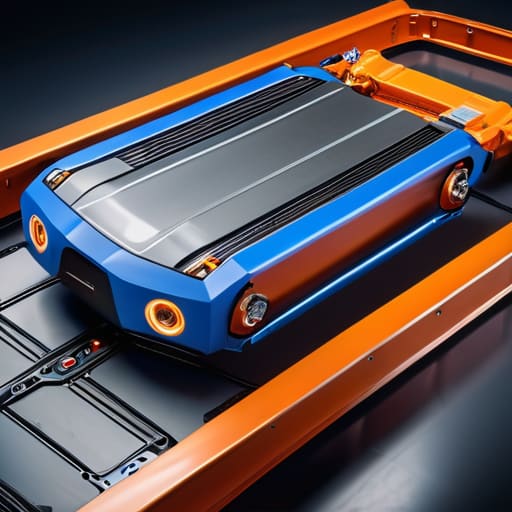
I still remember the first time I tried to swap a custom lithium pack into my old electric skateboard back in college. I thought I was being a genius, but the second I hit a slight incline, the motor groaned like it was dying, and the physics hit me like a freight train. We need to stop pretending that just adding more cells is the magic fix for range anxiety; the reality is that ev battery weight is a massive, looming hurdle that most manufacturers try to gloss over with flashy marketing. If we keep chasing range by simply stacking more heavy, inefficient chemistry into the chassis, we aren’t building a revolution—we’re just building heavy, inefficient bricks that tear up our roads and kill our efficiency.
I’m not here to sell you on the corporate hype or the vague promises of “next-gen” breakthroughs that never actually hit the assembly line. Instead, I want to pull back the curtain on the actual hardware. I’m going to break down the real-world trade-offs between energy density and mass, looking at the actual chemistry that dictates how much a vehicle can actually carry without losing its soul to gravity.
Table of Contents
The Real Impact of Battery Weight on Range
Here’s the thing: we can’t just keep throwing more cells into a pack and calling it a victory. When you look at the impact of battery weight on range, it’s not a linear relationship; it’s a punishing cycle of diminishing returns. Every extra kilogram of lithium-ion chemistry you add to squeeze out ten more miles of range requires more energy just to move that extra mass itself. It’s like trying to win a marathon by wearing a heavy backpack—eventually, the weight you’re carrying starts to cancel out the endurance you were trying to gain.
This is where the math gets brutal. When comparing EV curb weight vs ICE vehicles, we’re seeing electric platforms that are significantly heavier, which forces engineers into a corner. If we don’t solve the electric vehicle energy density problem, we’re just building high-tech tanks. To actually move the needle, we have to stop obsessing solely over capacity and start focusing on how we integrate the hardware. We need to move toward more aggressive battery pack structural integration, where the cells aren’t just dead weight sitting in a tray, but are actually part of the car’s skeleton.
Ev Curb Weight vs Ice Vehicles the Physics Problem

Here’s the reality: when you compare EV curb weight vs ICE vehicles, you aren’t just looking at a slightly heavier car; you’re looking at a fundamental shift in physics. An internal combustion engine is relatively compact, even if it’s inefficient. But to get decent range, you have to bolt on a massive, heavy slab of chemistry. I remember looking at the spec sheets during my labs at Georgia Tech—the sheer mass of a standard pack is a brutal tax on every single movement the car makes.
This isn’t just about how much the car weighs on a scale; it’s about the kinetic energy involved. Every time you hit the brakes, you’re fighting that extra inertia. This is why the industry is so obsessed with lightweighting EV materials. If we can’t find a way to offset the mass of the cells, we’re stuck in a loop of adding more battery to compensate for the weight of the previous battery. It’s a diminishing return that feels like we’re running on a treadmill. We need better electric vehicle energy density to break this cycle, otherwise, we’re just building heavy, high-tech tanks.
Cutting the Dead Weight: How We Actually Fix the Density Problem
- Stop chasing range through sheer volume. Adding more cells to fix range is a losing game of diminishing returns; it’s like trying to lose weight by eating more calories because they’re “energy dense.” We need to prioritize energy density (Wh/kg) over total capacity.
- Demand a shift toward solid-state tech. Lithium-ion is great, but the liquid electrolyte is a massive weight penalty. Moving to solid-state isn’t just a safety upgrade; it’s the only way to ditch the heavy housing and cooling systems that currently act like anchors.
- Look past the “Big Battery” hype. Not every vehicle needs a 100kWh pack to be useful. For urban commuting, a smaller, lighter, high-efficiency pack is way more sustainable and easier on the infrastructure than a massive, heavy brick that destroys the roads.
- Optimize the structural integration. We need to stop treating the battery as a “box” sitting inside a car and start treating it as part of the chassis. Cell-to-pack (CTP) technology is the real MVP here because it eliminates the dead weight of redundant modules.
- Prioritize lifecycle efficiency over raw specs. A heavy battery might give you a massive spec sheet, but if it wears out the tires and suspension twice as fast, it’s not a green solution—it’s just a different kind of waste. Focus on the chemistry that lasts.
The Bottom Line: Why Weight Isn't Just a Number
We can’t keep solving range anxiety by simply throwing more lithium at the problem; adding more cells just creates a cycle of diminishing returns where the battery spends half its energy just moving itself.
The physics don’t lie—higher curb weight means more heat, more tire wear, and more stress on the suspension, which complicates the entire lifecycle sustainability of the vehicle.
The real winners in the EV race won’t be the ones with the biggest batteries, but the ones who master energy density and solid-state tech to get more miles out of fewer, lighter kilograms.
The Density Dilemma
“We keep chasing longer range by throwing more cells at the problem, but that’s a losing game of physics. If we don’t solve for energy density and move past these massive, heavy packs, we aren’t building a sustainable future—we’re just building heavier versions of the same inefficient systems we’re trying to replace.”
Desmond Achebe
The Path Forward

At the end of the day, we have to stop treating battery weight as an unavoidable tax on electric mobility. We’ve looked at how the extra mass kills efficiency, how it forces us into a cycle of adding more cells just to maintain range, and how it fundamentally changes the physics of driving compared to the old ICE days. If we keep trying to solve the weight problem by just stuffing more lithium-ion bricks into the chassis, we’re going to hit a ceiling where the energy cost of moving the car outweighs the benefits of the powertrain. We don’t need bigger batteries; we need smarter chemistry and better energy density to break this cycle.
I’m genuinely optimistic about where we’re headed, but only if we move past the hype and focus on the hard engineering. Whether it’s the promise of solid-state breakthroughs or the optimization of cell-to-pack architecture, the goal remains the same: making high-performance energy storage something that works for the planet, not against it. We are currently in the “heavy lifting” phase of the transition, but once we crack the code on lightweight, high-density storage, the entire landscape of transport changes forever. Let’s stop building heavy, inefficient bricks and start building the future of mobility.
Frequently Asked Questions
If we can't fix the weight issue with current lithium-ion tech, are solid-state batteries actually going to be the silver bullet we've been promised?
Look, I’m a skeptic by nature, so I won’t call it a “silver bullet.” Solid-state is the dream because replacing that heavy liquid electrolyte with a solid ceramic or polymer layer could theoretically crank up energy density significantly. It’s like swapping a bulky, leaky fuel tank for a high-performance capacitor. But we can’t ignore the manufacturing hurdles. If we can’t scale the production without breaking the bank, it’s just another lab curiosity.
How much is this extra mass actually killing our tire longevity and road infrastructure compared to traditional gas cars?
It’s not just a theoretical physics problem; it’s a literal wear-and-tear nightmare. That extra mass creates massive downward force, which basically turns your tires into sandpaper. You’re looking at significantly faster tread depletion compared to an ICE car. And don’t get me started on the roads—the increased axle load means more frequent potholes and structural fatigue. We’re essentially trading tailpipe emissions for accelerated infrastructure decay, and we need to account for that in the lifecycle math.
Is it more efficient to keep adding more cells to get more range, or should we be focusing on lighter, less energy-dense chemistries to offset the weight?
If we keep just stacking more cells to chase range, we’re hitting a point of diminishing returns. It’s like trying to win a race by adding more fuel tanks; eventually, the extra weight kills your efficiency. We have to pivot. The real win isn’t just higher density—it’s finding that sweet spot with lighter, more stable chemistries. We need to stop building heavy, inefficient bricks and start optimizing for the actual physics of motion.
