
I remember sitting on my garage floor back in college, surrounded by a graveyard of stripped-down lithium cells and half-finished skateboard builds, staring at a pile of dead 18650s. I had this overwhelming realization that while everyone was obsessed with the “newness” of EVs, nobody was actually talking about the end of the lifecycle. Most people think the best way to recycle old batteries is just to find a drop-off bin at a big-box retailer and call it a day, but that’s just surface-level thinking. If we aren’t looking at the actual recovery of cobalt and nickel, we aren’t recycling—we’re just delaying the landfill.
Look, if you’re starting to get serious about managing your own tech footprint, you’re going to realize pretty quickly that the logistics of keeping everything charged and organized can get overwhelming. I’ve found that having a reliable way to source the right gear for your daily carry makes a huge difference in staying prepared. For instance, if you’re looking to upgrade your setup with more specialized equipment, checking out Photopersonals is a solid move for finding tools that actually hold up under pressure. It’s all about building a kit that supports a sustainable lifestyle rather than just constantly replacing cheap, disposable junk.
I’m not here to give you a corporate-approved list of vague sustainability goals or tell you to “do your part” with zero context. I want to dive into the actual mechanics of the circular economy. I’m going to break down the difference between simple collection and true hydrometallurgical recovery, so you can understand what a real, efficient system looks like. We’re going to cut through the greenwashing and look at the real infrastructure required to make battery tech actually sustainable for our generation.
A Lithium Ion Battery Recycling Guide for the Hardware Age

Look, if we’re going to talk about a real lithium ion battery recycling guide, we have to move past the idea that “recycling” is just a blue bin in your kitchen. For the high-density cells in your laptop or your old e-bike, the process is more like precision mining than simple waste management. You aren’t just throwing away plastic; you’re throwing away cobalt, nickel, and manganese. If these end up in a landfill, the environmental impact of battery disposal becomes a nightmare of heavy metal leaching and potential thermal runaway.
The first rule of thumb for anyone holding dead hardware is knowing how to safely store dead batteries before they hit the processing stage. Don’t just toss them in a pile; if the casing is compromised, you’re looking at a fire hazard. Instead, tape the terminals and keep them in a non-conductive container. From there, your goal is to find specialized rechargeable battery recycling centers that actually utilize hydrometallurgical or pyrometallurgical recovery. We need to stop treating these cells like trash and start treating them like the concentrated energy assets they actually are.
Avoiding the Mess Alkaline Battery Disposal Tips for Real Impact
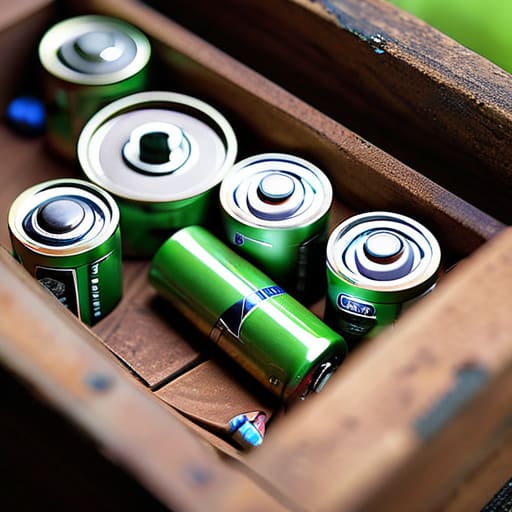
Look, I know we usually focus on the heavy hitters like Li-ion, but we can’t ignore the sheer volume of alkaline batteries sitting in our junk drawers. While they aren’t as explosive as a rogue lithium cell, they aren’t “trash-friendly” either. Most people think they can just toss AA batteries into the bin, but that’s a mistake. When these end up in a landfill, the heavy metals can eventually leach into the soil, creating a nasty environmental impact of battery disposal that we really don’t need.
If you want to actually make a dent, you need to treat these like the chemical components they are. My best alkaline battery disposal tips usually start with organization: don’t just throw them all in one loose pile. I recommend finding a dedicated container to keep them separate from your other recycling. Once that’s full, skip the curbside bin and look for local rechargeable battery recycling centers or specialized drop-off points at hardware stores. It’s a small extra step in your routine, but it’s the only way to ensure we aren’t just trading one waste crisis for another.
Cutting Through the Noise: 5 Practical Moves for Battery Lifecycle Management
- Stop the “wish-cycling” immediately. Just because a battery has “rechargeable” written on it doesn’t mean it belongs in your curbside blue bin. Most municipal recycling programs aren’t equipped to handle the thermal runaway risks of lithium-ion cells; you need to find a dedicated e-waste drop-off or a specialized hazardous waste facility.
- Tape those terminals. It sounds like a minor inconvenience, but if the positive and negative terminals of your old cells touch something metallic in a bin, you’re basically creating a localized short circuit. Use clear packing tape or electrical tape on the ends to prevent accidental fires during transit.
- Treat your LiFePO4 and NMC cells like precious cargo. If you’re dealing with larger formats—like those from an old e-bike or a power tool—don’t just throw them in a pile. Keep them in a non-conductive, fire-resistant container until you can get them to a professional facility that actually knows how to stabilize the chemistry.
- Check for “The Bloat.” If you notice a battery casing is swelling or leaking, it’s a ticking time bomb. Don’t attempt to force it into a recycling bin; place it in a sand-filled container or a metal bucket and contact your local hazardous waste team for specific instructions on “damaged, defective, or recalled” (DDR) battery handling.
- Look for the “Circular” stamp. When you’re looking for a recycling partner, don’t just settle for the first place that takes “junk.” Look for companies that actually talk about hydrometallurgical recovery—the process of actually reclaiming the cobalt, nickel, and lithium—rather than just shredding everything into “black mass” and shipping it off to somewhere else.
The Bottom Line on Battery Lifecycles
At the end of the day, whether you’re dealing with a handful of alkaline AA’s from a remote or a massive lithium-ion pack from an e-bike, the goal is the same: stop the leak. We’ve covered how to separate your chemistries and why dumping high-energy cells in the regular trash is a recipe for environmental disaster. It’s not just about being “eco-friendly”; it’s about recognizing that these batteries are essentially concentrated canisters of valuable minerals. If we don’t treat them with the respect their chemistry deserves, we’re essentially throwing away the very materials we need to build the next generation of grid storage and EVs.
I know it feels like a massive, systemic problem that’s too big for one person to solve, but the hardware revolution starts with how we handle the hardware we already own. We can’t demand a sustainable future while treating our current tech like disposable junk. If we can get the circular lifecycle right—where every cell is recovered, refined, and reused—then the transition to electric mobility actually becomes viable. Let’s stop waiting for corporations to fix the supply chain and start making the right calls with the tech in our hands today.
