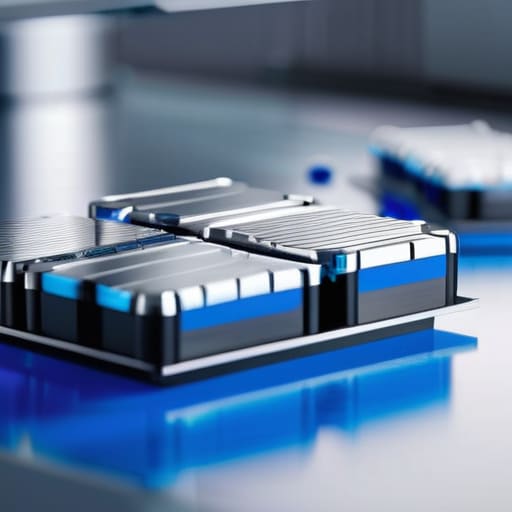
I still remember the smell of scorched electrolyte in my Georgia Tech lab during my junior year—a sharp, metallic sting that stayed in my nose for hours. I was staring at a prototype that was supposed to be the “holy grail” of energy density, only to watch it fail because of a single, microscopic dendrite. It’s frustrating because every time I scroll through my feed, I see tech influencers acting like lithium metal batteries are just around the corner, ready to change the world overnight. They treat the chemistry like magic, but I’ve seen the messy reality of how unstable these cells actually are when you move from a controlled lab to a real-world grid.
I’m not here to sell you on the corporate dream or some vague promise of a “green revolution” that lacks a roadmap. Instead, I want to pull back the curtain on the actual hardware. We’re going to look past the flashy press releases and dive into the real chemical hurdles—like anode stability and electrolyte compatibility—that stand between us and true energy density. My goal is to give you a grounded, data-driven look at whether lithium metal batteries can actually deliver a sustainable future, or if they’re just another expensive engineering headache.
Table of Contents
Decoding Real Energy Density Improvements

When we talk about energy density improvements, we aren’t just chasing a bigger number on a spec sheet; we’re trying to fundamentally change the math of how much power we can cram into a single cell. In a standard lithium-ion setup, the graphite anode acts like a sponge, soaking up lithium ions. It’s reliable, but it’s bulky. By swapping that graphite for pure lithium metal, we’re essentially stripping away the middleman. This allows us to hit much higher theoretical capacities, which is the holy grail for making EVs that can actually handle long-haul trips without a massive weight penalty.
However, the real hurdle isn’t just the capacity—it’s the stability. If we don’t solve the issue of lithium metal anode stability, the whole thing falls apart. As these cells charge, tiny, needle-like structures called dendrites start growing through the electrolyte. If they pierce the separator, you’ve got a short circuit and a potential fire. That’s why I spend so much time looking at solid-state electrolyte development. Moving away from liquid electrolytes to a solid medium is our best shot at dendrite formation prevention, turning this theoretical dream into something we can actually install in a car.
The Hard Truth About Next Gen Battery Chemistry

Here’s the thing: every time I see a headline claiming we’ve “solved” energy storage, my engineering brain immediately goes into skeptic mode. The industry loves to talk about the massive theoretical leaps we can take with a lithium metal anode, but they rarely talk about the nightmare of lithium metal anode stability. In a lab setting, sure, it looks like magic. But in a real-world EV cycling through temperature swings and rapid charging, that metal wants to do one thing: fail.
The biggest hurdle isn’t just getting more power into a smaller footprint; it’s managing the chaos at the microscopic level. We’re essentially fighting a war against dendrite formation prevention. If those tiny, needle-like structures grow uncontrollably through the electrolyte, they don’t just degrade the cell—they short it out entirely. This is why I’m not sold on the “imminent revolution” narrative until we see more robust solid-state electrolyte development that can actually handle the physical stress of these ions moving back and forth. We need hardware that survives the real world, not just a controlled simulation.
How to Separate Battery Breakthroughs from Corporate Smoke and Mirrors
- Stop falling for “theoretical energy density” numbers in press releases; if a company isn’t talking about cycle life or thermal stability, they’re just selling you a dream that won’t survive a real-world commute.
- Keep a sharp eye on electrolyte innovation, because a lithium metal anode is basically a ticking time bomb if the liquid electrolyte can’t manage those dendrites that cause short circuits.
- Watch the supply chain, not just the chemistry; a battery tech is only “sustainable” if we aren’t just trading one mining crisis for another when we scale up to millions of units.
- Look for solid-state progress as the real endgame, since moving away from flammable liquid electrolytes is the only way to make high-capacity lithium metal safe enough for mass-market EVs.
- Demand data on manufacturing scalability, because a lab-grown cell that costs $500 per kilowatt-hour is just a science project, not a solution for the grid or the road.
The Bottom Line on Lithium Metal

Higher energy density isn’t a magic fix; if we don’t solve the dendrite growth problem, these batteries will be more of a safety liability than a performance breakthrough.
We need to look past the “revolutionary” marketing and focus on the actual cycle life—a battery that lasts twice as long but dies after 100 charges is a step backward for sustainability.
The real win won’t just be in the chemistry, but in building a supply chain and recycling infrastructure that doesn’t rely on exploitative mining practices.
## The Real Bottleneck
“We can keep chasing higher energy density numbers on a spreadsheet, but until we solve the dendrite problem in lithium metal cells, we’re just building more efficient ways to fail. Real progress isn’t about how much power we can cram into a cell; it’s about whether that chemistry can actually survive a decade of real-world abuse without turning into a fire hazard.”
Desmond Achebe
The Bottom Line on Lithium Metal
Look, we’ve moved past the stage where we can just celebrate “potential” energy density. We’ve looked at the math: the theoretical upside of lithium metal is massive, but the dendrite problem is a real, physical wall that we can’t just wish away with better marketing. If we want to move from current liquid electrolytes to something stable, we have to solve the cycle life issue and the safety hurdles that come with high-reactivity anodes. It’s not about whether the chemistry works in a lab setting—it’s about whether we can manufacture it at scale without the costs skyrocketing beyond reach.
I’m not a cynic, but I am a realist. I want to see the day when I’m not constantly checking my voltage levels or worrying about the degradation of my gear, but that day depends on engineering, not hype. The transition to electric mobility is the most important hardware shift of our lifetime, and lithium metal could very well be the backbone of it. We just need to stop chasing every shiny new press release and start focusing on the sustainable, scalable infrastructure that actually makes this tech viable for the real world. The future is electric, but let’s make sure it’s built on solid chemistry.
Frequently Asked Questions
If lithium metal is so much more energy-dense, why aren't we seeing it in our current EVs right now?
Look, if it were as simple as swapping one chemistry for another, we’d already be there. The problem is dendrites. Think of them like tiny, metallic frost spikes growing inside the cell during charging. They eventually pierce the separator, causing a short circuit—and that’s how you get a thermal runaway event. We can’t just ignore the safety risks for the sake of a better spec sheet; we need stable electrolytes before this hits the mass market.
How do we actually stop these batteries from forming dendrites and short-circuiting mid-drive?
That’s the million-dollar question. Right now, we’re essentially fighting a microscopic war against “spiky” lithium growths called dendrites. To stop them from piercing the separator and causing a short, we can’t just rely on better separators; we need smarter electrolytes. I’m looking closely at solid-state electrolytes—replacing that liquid mess with a solid ceramic or polymer barrier. It acts like a physical shield that dendrites just can’t punch through, even when the charge is aggressive.
Is the supply chain for lithium metal actually scalable, or are we just trading one resource crisis for another?
That’s the million-dollar question. If we just swap liquid electrolytes for lithium metal without rethinking our extraction, we’re just swapping a petroleum crisis for a mineral one. Right now, the supply chain is a bottleneck waiting to happen. Scaling lithium metal isn’t just about finding more ore; it’s about whether we can actually refine it sustainably and at scale without the environmental cost becoming a massive net negative for the planet.
