I remember sitting in a Georgia Tech lab back in 2019, staring at a lithium-ion cell that had been absolutely shredded by aggressive cycling tests. The data was brutal, and it hit me right then: everyone is obsessed with the “magic” of v2g technology, but nobody is talking about the physical cost to the hardware. We see these glossy corporate presentations promising that your EV will become a mobile power plant that pays for itself, but they conveniently gloss over the electrochemical reality of constant discharge cycles. If we’re just going to turn our cars into glorified grid buffers without solving the degradation problem, we aren’t building a revolution—we’re just building a faster way to kill expensive batteries.
I’m not here to sell you on the utopian dream of a perfectly balanced smart grid. Instead, I want to pull back the curtain on the actual engineering hurdles that stand between us and a functional reality. I’ll be breaking down the real-world chemistry and the infrastructure requirements needed to make this work without turning your vehicle into a brick. We’re going to look past the marketing fluff and focus on the hard data that actually matters for the future of sustainable mobility.
Table of Contents
- Solving Grid Stability and Renewable Integration Through Hardware
- Why Smart Charging Infrastructure Is the Missing Link
- Stop Looking at the App and Start Looking at the Hardware: 5 Realities of V2G
- The Bottom Line: Why V2G is More Than Just a Software Update
- The Real Cost of Cycling
- The Real Road Ahead
- Frequently Asked Questions
Solving Grid Stability and Renewable Integration Through Hardware
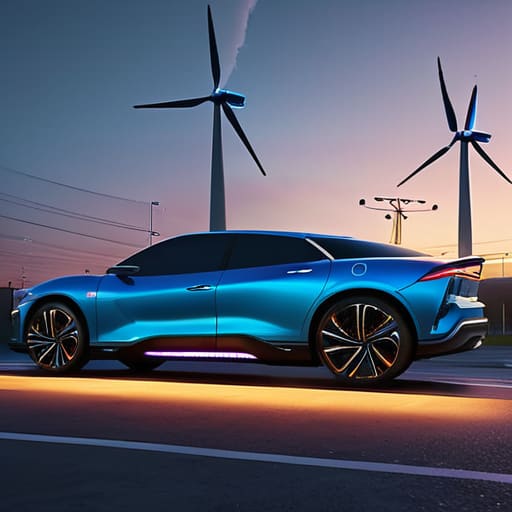
The real magic of V2G isn’t in the concept of a car acting as a giant battery; it’s in how we manage peak shaving and load leveling at scale. Right now, our grid is basically a massive, aging machine struggling to keep up with the intermittent nature of wind and solar. When the sun goes down, the demand spikes, and that’s where the stress starts. If we can successfully deploy smart charging infrastructure, we turn millions of EVs from a potential burden on the grid into a massive, distributed buffer. Instead of firing up a dirty gas peaker plant to meet a sudden surge, we pull from the excess capacity sitting in parked cars.
However, we can’t just treat every EV like a static bucket of energy. To truly achieve grid stability and renewable integration, we have to address the hardware reality of how these decentralized energy resources interact with the local transformer. It’s not just about “plugging in”; it’s about the precision of the discharge cycles. If we don’t get the hardware-level management right, we aren’t solving a stability problem—we’re just creating a new one for the battery chemistry to deal with.
Why Smart Charging Infrastructure Is the Missing Link
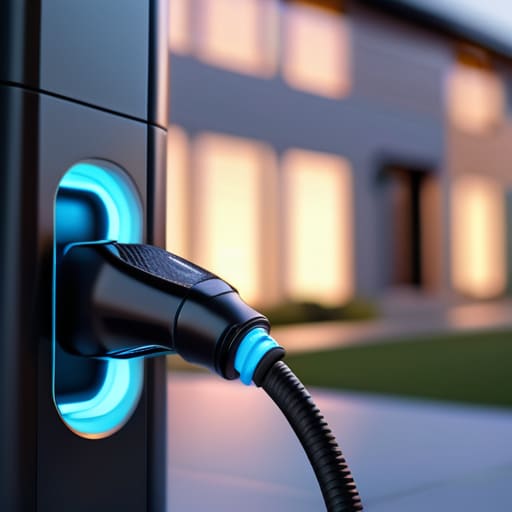
Here’s the reality: we can have the most advanced lithium-ion cells on the planet, but if the plug at your house can’t “talk” to the local substation, we’re just spinning our wheels. Most people think the bottleneck is the car, but it’s actually the smart charging infrastructure that’s lagging behind. We need more than just a dumb cable; we need a bidirectional handshake that allows for real-time data exchange. Without robust EV-to-grid communication protocols, we’re essentially trying to run a high-speed digital economy on top of an analog foundation.
If we want to move beyond the current “plug and pray” method, we have to treat every parked EV as a node in a massive, distributed network. This isn’t just about convenience; it’s about utilizing decentralized energy resources to prevent the grid from buckling under its own weight. If our chargers can’t intelligently manage when a car pulls power versus when it pushes it back, we’re just trading one set of stability problems for another. We need hardware that understands the nuances of load management before we can even dream of a truly resilient grid.
Stop Looking at the App and Start Looking at the Hardware: 5 Realities of V2G
- Prioritize cycle life over initial cost. If you’re planning on using your EV as a grid asset, you can’t just look at the sticker price; you need to look at the electrochemical stability of the cells to ensure constant discharging doesn’t turn your battery into a paperweight in three years.
- Demand bidirectional hardware, not just “smart” chargers. A lot of companies are selling “V2G-ready” tech that’s actually just smart AC charging. If the inverter in your home or the onboard charger in your car can’t physically handle the reverse flow, the software hype is useless.
- Watch the thermal management closely. Pumping power back into the grid generates heat, and heat is the absolute enemy of lithium-ion longevity. Any real V2G implementation needs a robust cooling strategy to prevent accelerated degradation during peak discharge windows.
- Focus on localized grid density rather than centralized massive storage. The real win for V2G isn’t one giant battery farm; it’s thousands of small, distributed cells working in sync to stabilize local transformers and prevent brownouts at the neighborhood level.
- Vet the chemistry, not the marketing. Before betting on a V2G ecosystem, look at whether the battery chemistry—like LFP (Lithium Iron Phosphate)—is actually suited for high-cycle applications compared to standard NMC cells which might struggle with the increased stress.
The Bottom Line: Why V2G is More Than Just a Software Update
We need to stop treating V2G like a magical software fix and start addressing the physical reality of battery degradation; if the chemistry can’t handle the extra cycling, the grid stability gains won’t matter.
The transition only works if we move past “smart” apps and actually build out the heavy-duty hardware and bidirectional charging infrastructure required to handle real-world energy loads.
True sustainability in V2G requires a shift from corporate greenwashing to data-driven implementation that prioritizes long-term battery health over short-term grid convenience.
The Real Cost of Cycling
“Everyone loves the idea of using EVs as giant mobile power banks, but we need to stop treating V2G like a software patch and start treating it like a hardware problem; if we don’t solve the degradation issue caused by constant micro-cycling, we’re just trading grid instability for a massive pile of prematurely dead lithium-ion cells.”
Desmond Achebe
The Real Road Ahead

Look, we’ve covered the ground: V2G isn’t just some futuristic software gimmick; it’s a massive hardware and chemistry challenge. We’ve seen how it can theoretically stabilize a grid drowning in intermittent renewables and how smart infrastructure acts as the backbone for this entire ecosystem. But we can’t ignore the elephant in the room—the physical reality of battery degradation. If we’re going to turn millions of EVs into a distributed giant battery, we have to ensure the cycle life of these cells can actually handle the bidirectional stress without turning our “green” solution into a mountain of premature e-waste. It’s about moving past the marketing slides and focusing on the actual durability of the hardware.
At the end of the day, the transition to electric mobility is going to happen, whether we’re ready or not. My goal isn’t to sell you on a dream, but to push for a reality where our energy systems are as smart and resilient as the tech we carry in our pockets. We need to stop settling for vague corporate promises of “sustainability” and start demanding the robust, high-density storage systems that can actually power a civilization. The blueprint is there, the chemistry is evolving, and the grid is waiting. It’s time to stop talking and start building the infrastructure that actually lasts.
Frequently Asked Questions
If I'm constantly cycling my car's battery to stabilize the grid, am I going to kill my vehicle's range and resale value faster than expected?
That’s the million-dollar question, and honestly, it’s where the marketing fluff hits a wall. If you’re running a standard Li-ion pack through aggressive V2G cycles, yeah, you’re accelerating degradation. You’re essentially trading your battery’s chemical lifespan for grid stability. However, if we move toward LFP chemistries—which handle depth of discharge way better—or smarter BMS algorithms that cap the cycle depth, the impact on resale value becomes negligible. We need better hardware, not just better apps.
Is our current transformer infrastructure actually beefy enough to handle the bidirectional load, or are we just going to blow fuses at the neighborhood level?
Honestly? Most of our neighborhood transformers are definitely not ready for this. We’re talking about legacy hardware designed for one-way traffic—power goes out to the house, and that’s it. If everyone on a single block tries to dump energy back into the grid simultaneously, we aren’t just looking at blown fuses; we’re looking at thermal stress that can cook a transformer from the inside out. We need localized hardware upgrades, not just software patches.
How do we ensure that the energy being pulled from my car is actually coming from renewables and not just another coal-fired plant balancing the load?
That’s the million-dollar question, and honestly, it’s where most “green” marketing falls apart. If your EV is just acting as a giant battery for a coal-heavy grid, we’re just moving the emissions from the tailpipe to the smokestack. To fix this, we need real-time telemetry and smart grid integration. We need software that communicates with the utility to trigger discharge only when solar or wind penetration is at its peak, not just whenever the load spikes.
